Sensory Branding: Crafting the Irresistible Atmosphere
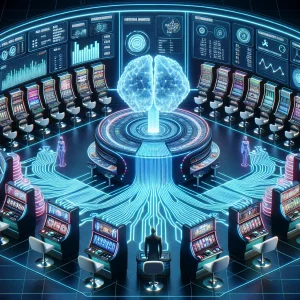
Casino marketing begins not with an advertisement, but with an immersive sensory experience meticulously engineered to bypass rational thought and evoke specific emotions. The environment is a primary marketing tool. The absence of clocks and windows creates a timeless bubble, disorienting patrons and encouraging extended stays. A carefully calibrated mix of lighting—bright and flashing on the slot floor to create excitement, softer and more intimate in high-limit areas—guides mood and behavior. Sound design is equally scientific. The constant, celebratory cacophony of slot machines is not random; it uses a principle called “losses disguised as wins,” where a payout less than the original bet still triggers exciting music and lights, creating a false sense of victory. Even scent is weaponized through ambient scent marketing systems. Many casinos pump subtle, pleasing fragrances like vanilla or citrus into the ventilation. These scents are subconsciously associated with cleanliness, happiness, and comfort, reducing stress and making players feel more at ease, which correlates directly with longer playing sessions. This multi-sensory assault is the foundational layer of marketing, designed to make the casino itself the brand—a place of excitement, escape, and potential reward.
The Loyalty Labyrinth: Gamifying Patronage
At the core of modern casino marketing is the loyalty program, a masterclass in applied behavioral psychology. These programs are far more than transactional point systems; they are elaborate games designed to foster compulsive engagement. The use of tiered status levels (e.g., Gold, Platinum, Noir) taps into the human desire for achievement and social status. Players are not just earning points; they are “leveling up,” a mechanic borrowed directly from video games. Each tier unlock provides a hit of accomplishment and exclusive perks, creating a powerful feedback loop. The programs expertly utilize variable ratio reinforcement, the most addictive schedule of rewards. Players know they will earn points, but the timing and size of bonus point offers or “mystery” rewards are unpredictable, mirroring the randomness of the games themselves and encouraging constant check-ins. Furthermore, they create a powerful effect known as the “sunk cost fallacy.” The more time and money a player invests to reach a certain tier, the less likely they are to defect to a competitor, feeling they have too much invested to walk away. This transforms casual visitors into branded assets, locked in a labyrinth of their own making.
Data-Driven Personalization: The Illusion of the Perfect Host
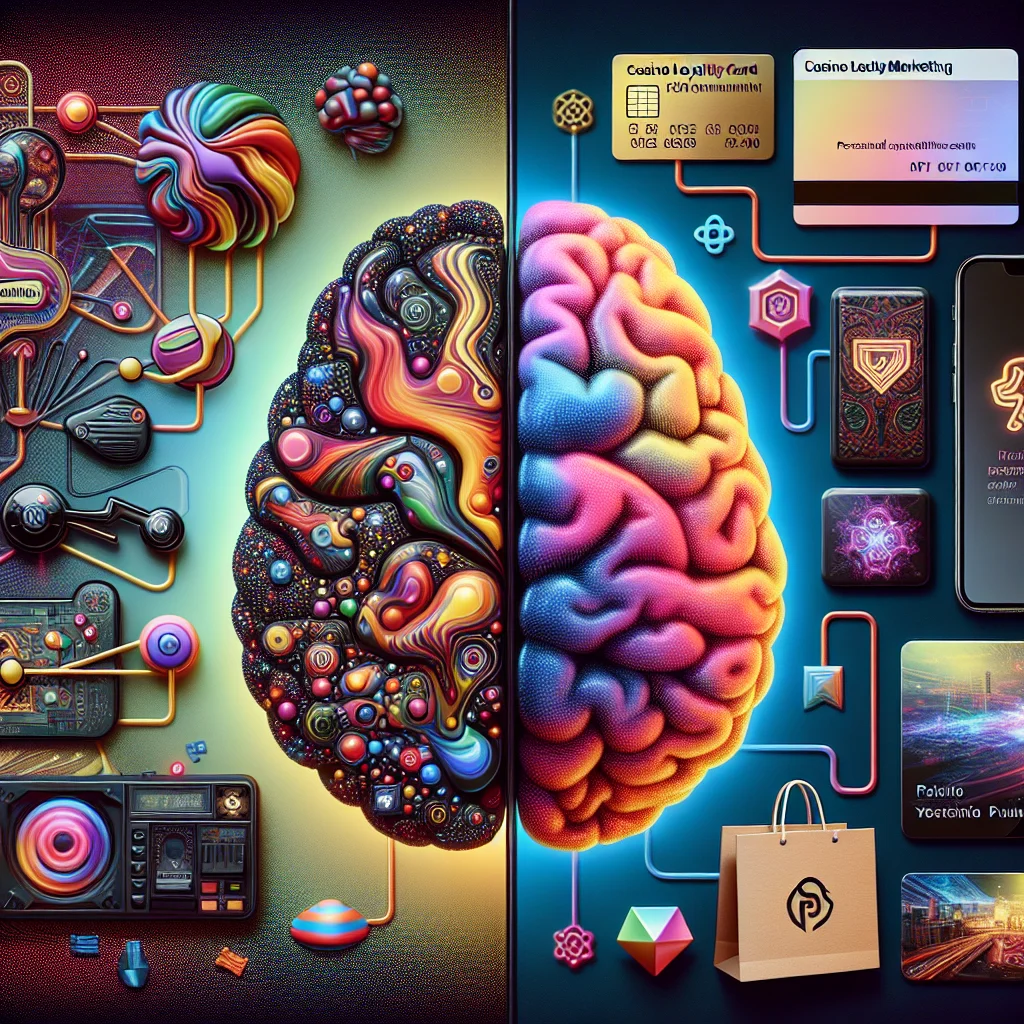
Gone are the days of generic mailers for free buffet passes. Today’s casino marketing is hyper-personalized, powered by vast CRM databases that track every interaction. This creates an eerie, yet effective, illusion of a casino that knows and cares about its guests. Algorithms analyze play patterns, dining preferences, and even birthday months to deploy perfectly timed offers. A player who consistently plays video poker on weekends might receive a targeted SMS for a “Free Video Poker Tournament Entry” on a Thursday afternoon, designed to pull them in during a slow period. A high roller who enjoys fine wine might find a bottle of their favorite vintage waiting in their suite upon check-in. This level of personalization does more than drive revenue; it builds emotional connection and perceived value. It makes the player feel recognized and special, fostering a sense of belonging to an exclusive club. The marketing communication itself is tailored across channels—email, app notifications, direct mail—creating a seamless, omnipresent brand dialogue. This constant, personalized engagement keeps the casino top-of-mind and frames every offer not as a generic promotion, but as a personal invitation or reward from a host who understands them.
Narrative and Aspiration: Selling a Lifestyle, Not a Game
Top-tier casino marketing has shifted from advertising games to selling aspirational lifestyles and emotional narratives. Advertising campaigns for major brands like Bellagio or Wynn rarely focus on slot machines. Instead, they showcase luxurious poolscapes, celebrity chef restaurants, breathtaking art collections, and exclusive nightclub scenes. The message is clear: visiting this property is an entry into a world of sophistication, success, and glamour. This narrative marketing serves two key purposes. First, it broadens the appeal beyond hardcore gamblers to affluent travelers and conventioneers, driving critical non-gaming revenue. Second, it elevates the brand above the transactional nature of gambling, embedding it in the consumer’s psyche as a provider of premium experiences. For the player, winning at the tables becomes part of this curated fantasy—a symbol of the success that grants access to this luxurious world. This storytelling extends to player communications. Marketing emails might highlight a new spa treatment or a limited-edition menu, reinforcing the lifestyle brand. By associating the casino with positive, high-status experiences unrelated to gambling, marketers build a resilient brand equity that can withstand periodic public relations challenges associated with the industry’s darker side.
Comps and Calculated Generosity: The Psychology of Reciprocity
The system of complimentary benefits, or “comps,” is a psychological lever of immense power, rooted in the universal norm of reciprocity. When a casino provides a free room, show tickets, or a gourmet meal, it triggers a deep-seated social obligation in the recipient to return the favor. Players often feel an implicit pressure to “earn” their comps by gambling, and often gambling more than they initially intended. The key to this strategy is the careful calibration of comp value against a player’s theoretical worth. The casino’s CRM system calculates exactly how much it can afford to give away while still maintaining profitability on that customer. This calculated generosity makes the player feel valued and treated generously, strengthening loyalty. Furthermore, the method of awarding comps is strategic. Having a live host personally deliver a reward is far more powerful than an automated email, as it adds a social dimension to the transaction. This personalized reciprocity creates a pseudo-friendship, making it psychologically harder for the player to take their business elsewhere, as it feels not just like switching providers, but like betraying a relationship.
Ethical Boundaries and Responsible Engagement
The very effectiveness of casino marketing psychology necessitates a serious discussion of ethical boundaries. The techniques used—variable rewards, sunk cost fallacies, sensory manipulation, and reciprocity traps—are exceptionally potent and can be harmful to vulnerable individuals. In response to regulatory pressure and corporate social responsibility, the industry has begun integrating “responsible gambling” messaging into its marketing framework. This includes mandatory “Play Responsibly” disclaimers in advertisements, features within loyalty apps that allow players to set binding limits on deposits, losses, and time, and algorithms designed to identify potential problem gambling behavior for intervention. The ethical challenge for marketers is to balance aggressive customer acquisition and retention with these protective measures. The future of casino marketing may see a greater emphasis on “brand trust,” where transparency about odds, clear communication of risks, and easy-to-use self-exclusion tools become part of the brand promise itself. Winning in this new environment will require marketing that builds loyalty not just through psychological hooks, but through demonstrable respect for customer well-being, navigating the fine line between compelling engagement and exploitative practice.