Manufacturing Chance: The Global Gaming Equipment Industry
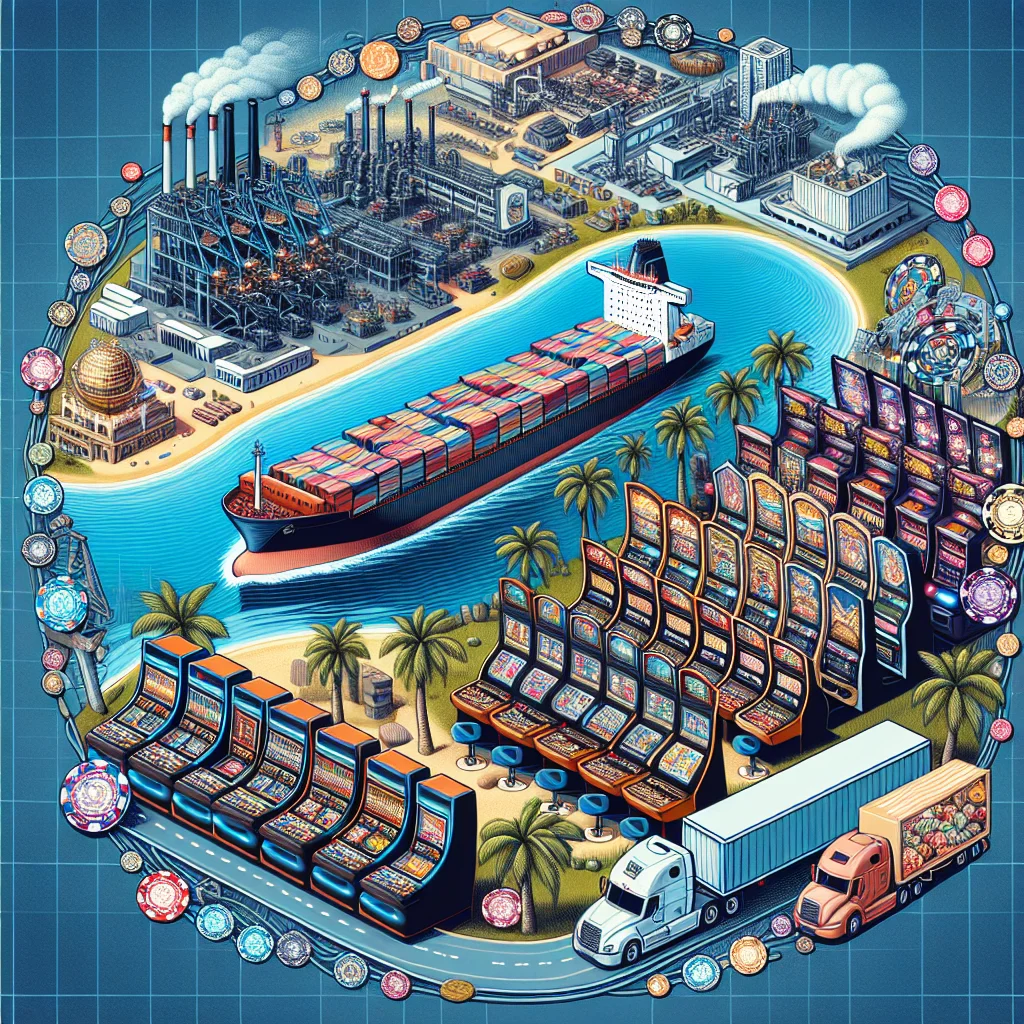
The flashing lights and spinning reels of a casino floor are the endpoint of a sophisticated global manufacturing and supply chain. The gaming equipment industry is dominated by a handful of major players like Aristocrat, IGT, Scientific Games (Light & Wonder), and Novomatic. These companies design, manufacture, and distribute the slot machines, electronic table game terminals, and casino management systems that form the core revenue-generating assets of a property. The procurement process for this equipment is a major capital expenditure. Casinos rarely purchase machines outright; the predominant model is a partnership based on revenue sharing or a lease agreement. Under a revenue share model, the manufacturer places the machine on the casino floor for free or a minimal fee, and then takes a percentage of the daily win, typically 5-10%. This aligns the interests of both parties and reduces the casino’s upfront capital risk. The manufacturer’s supply chain must ensure just-in-time delivery of new game themes and reliable maintenance of existing units, creating a continuous cycle of innovation, logistics, and technical support that forms the backbone of the modern slot floor.
The Chip and Card Pipeline: Security as a Supply Chain Priority
Two of the most critical physical items in a casino—gaming chips and playing cards—have supply chains where security outweighs cost. Gaming chips are not simple plastic tokens; they are complex security devices. Manufacturers like Gaming Partners International (GPI) or the Paul-Son group embed a host of anti-counterfeiting features: RFID microchips, ultraviolet markings, precise weight and sound profiles, and proprietary color formulas. The supply chain for chips is tightly controlled, from the secure manufacturing facility to armored transport directly to the casino cage. Each chip series is customized for the property, and obsolete chips are often destroyed under supervision to prevent fraud. Similarly, playing cards are produced to exacting standards of durability and integrity. They are typically purchased in bulk, used for a single shift (or even a single shoe in baccarat), and then canceled by drilling a hole or cutting a corner before disposal. The procurement of these consumables is a high-frequency, high-security operation. Casinos maintain relationships with approved vendors who understand the regulatory need for chain-of-custody documentation and who can provide the forensic support needed if counterfeit chips or marked cards are ever suspected.
Food, Beverage, and Luxury Goods: The Hospitality Supply Web
The non-gaming revenue streams of a casino resort depend on a vast and intricate hospitality supply chain. Fine dining restaurants require a consistent supply of premium ingredients, often sourced globally—Kobe beef from Japan, truffles from Italy, specific vintages of wine. This necessitates relationships with specialized distributors and importers capable of meeting the exacting standards of a celebrity chef. The beverage operation is a universe unto itself, involving contracts with liquor distributors, wine brokers, and specialty providers for craft cocktails. For luxury retail shops within the resort, the supply chain involves dealing directly with high-end fashion houses and watchmakers like Rolex or Chanel, who have strict controls on how their products are presented and sold. The logistics of this web are managed by a dedicated procurement department that must balance cost, quality, and reliability. Bulk purchasing for multiple properties within a corporate portfolio (like all MGM or Caesars resorts) provides leverage for better pricing. Just-in-time inventory systems are crucial for perishables, minimizing waste in massive buffet operations. This entire ecosystem exists to support the casino’s strategic goal of becoming a destination where every consumer need, from a hamburger to a Hermès bag, can be met on-site.
Technology and Software: The Invisible Infrastructure
Beneath the physical supply chain lies a critical flow of data and software that powers operations. This includes the casino management system (CMS), player tracking software, financial accounting platforms, and digital marketing tools. These are often provided by specialized B2B technology vendors like Agilysys, Oracle Hospitality, or proprietary systems developed in-house. The procurement of these systems is a long-term strategic decision, as switching costs are enormous. The supply chain here is about licensing agreements, software updates, cloud hosting services, and 24/7 technical support. Furthermore, the rise of online gaming has created a parallel supply chain for “game content.” Online casinos license thousands of individual slot and table games from a wide array of software developers (like NetEnt, Play’n GO, or Evolution for live dealer games) through aggregation platforms. This digital procurement is about securing the most popular and profitable content, negotiating revenue share deals, and ensuring seamless integration into the customer-facing website or app. The reliability and innovation of these technology vendors directly impact the casino’s operational efficiency and competitive edge.
Facilities, Maintenance, and Operational Procurement
Keeping a million-square-foot resort running requires a constant influx of operational goods. This facet of the supply chain is massive and often overlooked. It includes everything from commercial laundry services for thousands of sheets and towels, to contracts for landscaping and exterior maintenance, to the procurement of cleaning chemicals, light bulbs, and uniform linens. Engineering departments source specialized parts for HVAC systems, pool maintenance equipment, and escalator repairs. The casino floor itself requires a steady supply of functional items: thermal paper for ticket printers, felts for table games, dice (which are also precision instruments and changed regularly), and drop boxes for cash collection. This is procurement on an industrial scale, managed through enterprise resource planning (ERP) software. Contracts are negotiated with janitorial supply companies, electrical wholesalers, and furniture vendors. Sustainability initiatives are increasingly influencing this chain, pushing for eco-friendly cleaning products, energy-efficient light bulbs, and waste reduction programs. The cost-effectiveness and reliability of this operational procurement directly affect the property’s bottom line by controlling a significant portion of its operating expenses.
Vendor Management and Regulatory Compliance
In the highly regulated casino industry, the supply chain is not just a logistical function but a compliance imperative. Every significant vendor, from the slot machine manufacturer to the linen supplier, must often undergo a “vendor licensing” or “vendor registration” process with the gaming control board. Regulators investigate these companies to ensure they have no hidden ties to organized crime, are financially stable, and operate ethically. This creates a bottleneck and limits the pool of eligible suppliers. Furthermore, casinos must conduct due diligence on their vendors to comply with anti-money laundering and anti-corruption laws. The relationship with vendors is therefore long-term and deeply intertwined. Major operators have dedicated vendor management offices that audit supplier performance, negotiate master service agreements, and ensure regulatory paperwork is perpetually up-to-date. This complex vetting and management process adds significant overhead but is non-negotiable; a failure in the supply chain’s compliance can lead to regulatory sanctions against the casino itself. Thus, the supply chain in gambling is as much about managing risk and regulatory relationships as it is about delivering physical goods on time and on budget.