From Intuition to Algorithm: The Datafication of the Casino Floor
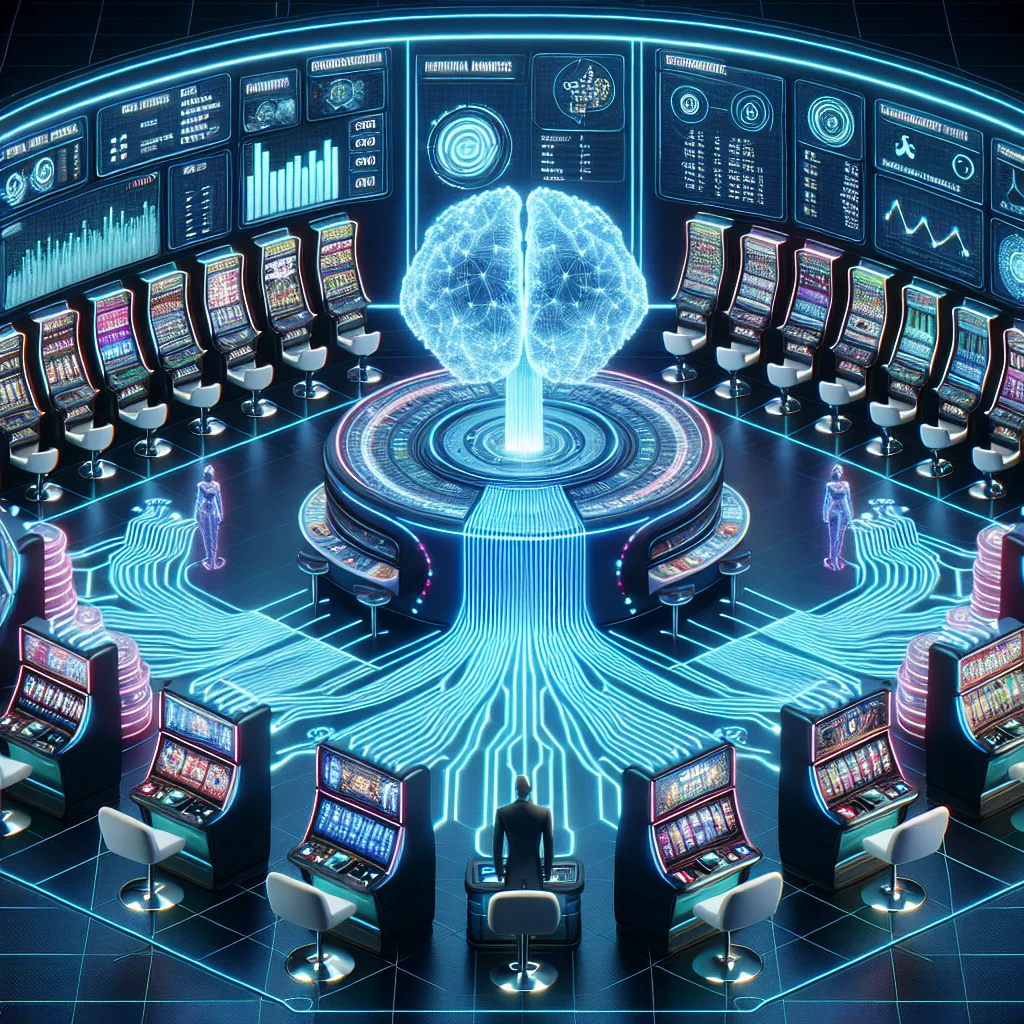
The romantic image of a casino boss running operations on gut feeling is obsolete. Today’s casino is a data factory, where every aspect of the business is monitored, measured, and optimized by sophisticated algorithms. The foundation is the Internet of Things (IoT). Modern slot machines are not just gaming devices; they are data terminals. They report real-time metrics on coin-in, win amounts, time of play, and even the speed of button presses. Table games are equipped with RFID chips embedded in playing cards and betting spots, tracking every wager, win, and loss without human error. This constant stream of data flows into a central data warehouse, creating a living, breathing digital twin of the entire casino floor. Managers no longer need to walk the floor to see which games are hot; they view dynamic heat maps on dashboards that show profitability per square foot in real time. This allows for scientific game placement, removing underperforming machines instantly and optimizing the mix of games to match the demographic of the current crowd. The era of operational guesswork is over, replaced by a culture of hyper-efficiency driven by algorithmic insights.
Predictive Analytics and the Science of Player Valuation
At the core of the technological revolution is predictive analytics. Casinos employ complex models to calculate a player’s theoretical worth, known as Expected Player Value (EPV) or Customer Lifetime Value (CLV). These models analyze historical play data, spending patterns on non-gaming amenities, and response to past promotions. However, the new frontier is predictive modeling. Algorithms now forecast future behavior. They can identify a player who is likely to “churn” or stop visiting based on changes in their play frequency or bet size. This triggers automated intervention campaigns, such as a personalized offer for a free hotel stay sent via the casino app, designed to re-engage the player before they are lost. Similarly, AI can identify a player whose behavior suggests they are transitioning from a casual to a premium player, flagging them for upgraded marketing attention. This predictive capability transforms marketing from a reactive cost center to a proactive investment engine. Marketing budgets are allocated not based on past performance alone, but on the predicted future value of each customer segment, maximizing return on investment by focusing resources on the players most likely to generate long-term profitability.
Dynamic Game Management and Personalized Odds
The concept of a static house edge is evolving. With networked gaming systems, casinos can now implement dynamic game management. For slot machines, this can mean remotely adjusting the theoretical Return to Player (RTP) percentage within a legally approved range. During a slow Tuesday afternoon, the casino might increase the RTP on certain machines to make them “looser,” creating more player wins and positive word-of-mouth to drive traffic. During a busy Saturday night, the RTP might be tuned back to standard levels. More controversially, technology enables personalized gaming experiences. Through the loyalty card system, a casino could, in theory, offer a specific player customized bonus rounds or progressive jackpot odds based on their play history and value. While such direct personalization of odds is heavily regulated and not widely implemented, the technological capability exists. For table games, electronic versions and hybrid “stadium” setups allow for faster play and more hands per hour, effectively increasing the house edge through volume. These technologies allow operators to manage their gaming inventory with the same yield management principles used by airlines, dynamically adjusting the “product” to match demand and maximize overall revenue.
AI in Security and Fraud Detection
Technology is a double-edged sword, also empowering those who would cheat the house. In response, casinos have deployed artificial intelligence as their most vigilant guardian. Surveillance, once the domain of human eyes watching wall monitors, is now augmented by AI-powered computer vision systems. These systems can flag behaviors that humans might miss: a dealer’s slight-of-hand, collusion between players at a poker table, or a patron counting cards in blackjack. The AI analyzes body language, betting patterns, and game outcomes in real-time, alerting security to anomalies. Beyond the floor, AI battles digital threats. It monitors transaction networks for money laundering patterns, detecting complex schemes designed to avoid reporting thresholds. It also fights bonus abuse in online casinos, where individuals use multiple accounts or automated bots to exploit sign-up promotions. Machine learning models are trained on vast datasets of legitimate and fraudulent play, allowing them to identify suspicious activity with increasing accuracy. This technological arms race not only protects the casino’s assets but is also crucial for maintaining regulatory compliance in highly scrutinized jurisdictions, where failures in anti-money laundering or fraud prevention can result in massive fines and loss of license.
The Rise of Skill-Based Gaming and Esports Integration
To attract a younger demographic weaned on video games, the industry is leveraging technology to create new forms of gambling. Skill-based gaming machines blend traditional slot mechanics with elements of player skill, such as short puzzle games or reflex-based challenges. The outcome is partially determined by the player’s ability, not purely by chance. This requires advanced software and hardware to deliver a console-quality experience on the casino floor. Furthermore, the explosive growth of esports has opened a new frontier. Casinos and sportsbooks are developing platforms for betting on professional video game tournaments like League of Legends or Counter-Strike. This involves complex technology to provide live odds, streaming data feeds, and integrity monitoring to prevent match-fixing. Blockchain technology is also being explored for creating provably fair games in the online space and for streamlining payments. These technological innovations are not just add-ons; they represent a strategic pivot. By creating games that appeal to the sensibilities of millennials and Gen Z, casinos are using technology to future-proof their business model, ensuring relevance in an entertainment landscape dominated by digital interactivity and skill-based competition.
The Ethical Algorithm: Balancing Profit with Responsibility
The immense power of casino technology raises profound ethical and regulatory questions. The same data used to personalize a marketing offer can be used to identify and exploit a player with a gambling problem. Algorithms designed to maximize “time on device” can inadvertently encourage harmful, continuous play. In response, the industry and regulators are developing “Responsible Gambling by Design” technology. AI models are now being trained to detect markers of problematic behavior, such as chasing losses, increasing bet sizes dramatically, or playing for excessively long sessions. When such patterns are identified, the system can trigger responsible gambling interventions. These can range from an alert on the screen suggesting a break, to temporarily locking the player’s loyalty card, to automatically referring the case to a human responsible gambling officer. Furthermore, players can use technology to set their own limits on deposits, losses, and time via casino apps. The challenge is to align the profit-maximizing algorithms with these protective frameworks. The future of casino technology will be defined by this balance—harnessing data and AI to create thrilling, personalized entertainment while building immutable ethical guardrails to protect vulnerable individuals, ensuring the industry’s sustainability in an increasingly transparent digital world.