Beyond the Jackpot: The Multi-Layered Casino Economy
When the average person thinks of a casino, they envision slot machines ringing and the thrilling possibility of a life-changing win. However, the true economic engine of a modern casino is a sophisticated, multi-faceted operation designed to generate consistent revenue far beyond the gaming floor. The core principle is the house edge, a mathematical advantage built into every game. This edge, often a small percentage, guarantees profitability over time due to the law of large numbers. For instance, a slot machine might have a theoretical return to player (RTP) of 95%, meaning the house keeps 5% of all wagers in the long run. Table games like blackjack or roulette have their edges calculated into the rules and payout structures. This built-in advantage is the foundational revenue stream, but it is merely the starting point. Today’s integrated resorts have diversified into hospitality giants, where non-gaming amenities like luxury hotels, world-class restaurants, high-end retail, and entertainment venues contribute a significant and growing portion of the total income. This diversification not only boosts revenue but also stabilizes it against fluctuations in gaming luck, creating a more resilient business model.
Player Psychology and The Art of Game Design
The economic success of a casino is inextricably linked to understanding and leveraging player psychology. Game design is not left to chance; it is a science focused on maximizing engagement and time on device. Slot machines, the most profitable segment in most casinos, are masterclasses in behavioral psychology. Features like near-misses, where two jackpot symbols appear, create the illusion of almost winning and encourage continued play. Bonus rounds, free spins, and cascading reels provide variable rewards, a powerful psychological trigger that makes the gameplay addictive. The sensory experience is meticulously crafted: the hypnotic spinning of reels, the celebratory sounds of a win (even a small one), and the ergonomic design of chairs and machines all work to keep players comfortable and playing. Table games are designed for social interaction and perceived skill, attracting a different demographic. The entire casino layout, often without clocks or windows, is engineered to create a timeless environment where patrons lose track of time, a phenomenon crucial for extending play sessions and, consequently, the application of the house edge.
Data-Driven Marketing: From Mass Media to Hyper-Personalization
Casino marketing has evolved from glamorous television commercials to a complex, data-centric operation. The goal is to identify, attract, and retain valuable players. Traditional broad-reach advertising still builds brand awareness, but the real magic happens in customer relationship management (CRM) systems. Casinos collect vast amounts of data through player loyalty cards. Every bet, every meal purchased, every hotel stay is tracked. This data allows marketers to segment players with incredible precision. High rollers, or “whales,” receive personalized attention: private jet invitations, dedicated hosts, complimentary luxury suites, and exclusive event access. Mid-tier players might get targeted offers for free hotel nights or show tickets based on their play history. Even casual players receive tailored email promotions for free slot play or discounted buffets to incentivize a return visit. This hyper-personalization ensures marketing dollars are spent efficiently, focusing incentives on players most likely to generate a positive return on investment. The CRM system becomes the brain of the operation, predicting customer value and automating personalized communication streams.
The Loyalty Program: The Engine of Retention
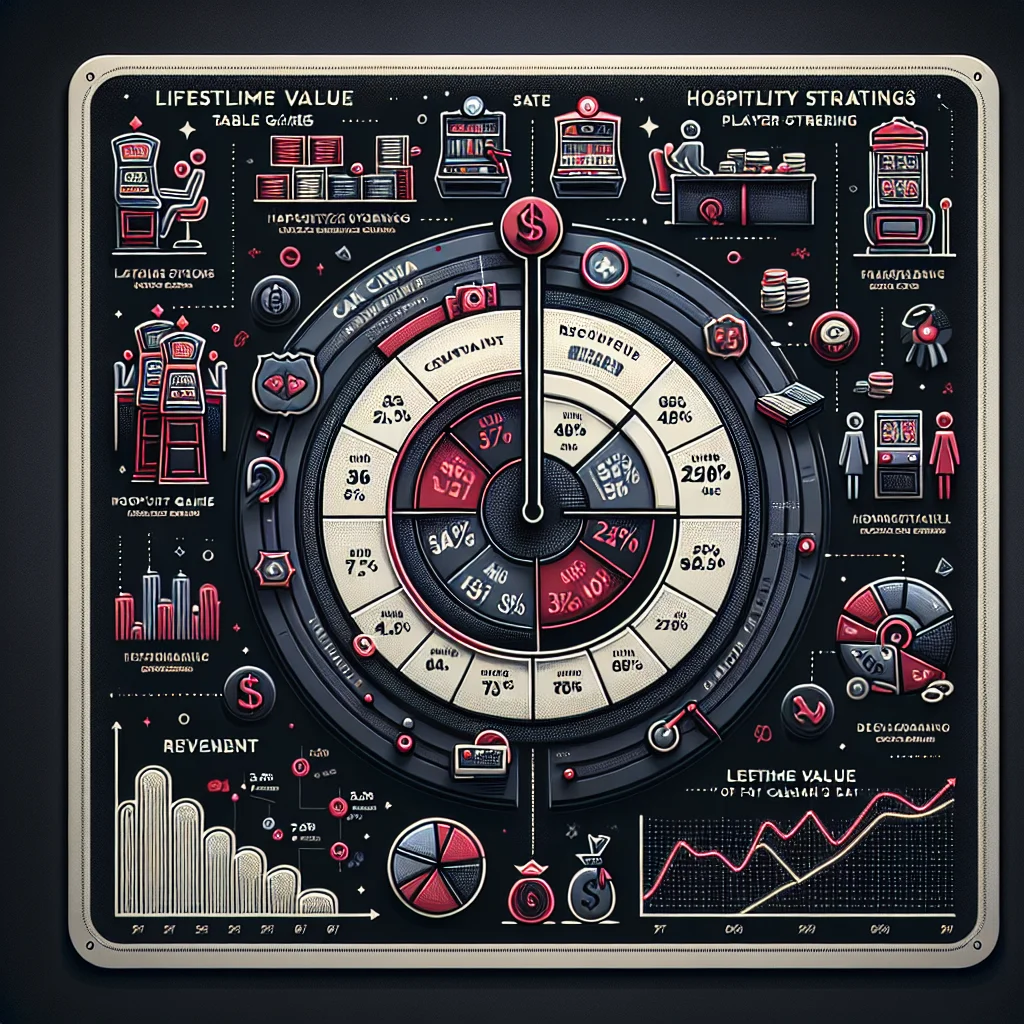
At the heart of casino marketing lies the loyalty program, often branded with names like players’ club or rewards card. This is far more than a simple punch card; it is a sophisticated tool for customer retention and data collection. Players earn points or “tier credits” for every dollar wagered. These points can be redeemed for a variety of perks: free play, meals, hotel stays, merchandise, and exclusive experiences. The program creates a powerful feedback loop: play more, earn more, get more rewards. Tiered structures (e.g., Silver, Gold, Platinum) introduce gamification, giving players status goals to strive for. Higher tiers unlock better rewards multipliers, priority service, and exclusive lounges, fostering a sense of elite membership. For the casino, the program provides an unparalleled stream of behavioral data and a direct channel for communication. It allows them to calculate a player’s theoretical worth, monitor their activity for signs of attrition, and deploy “save” offers to prevent them from taking their business elsewhere. The cost of these comps is carefully calculated against the player’s expected lifetime value, ensuring the casino maintains its profitability.
Strategic Promotions and Yield Management
Casinos operate on principles of yield management similar to airlines and hotels. They dynamically adjust their promotional offers based on demand, seasonality, and competitor activity. A mid-week in February will see far more aggressive offers than a Saturday night in December. Promotions are designed to fill hotel rooms that would otherwise be empty and drive foot traffic during slow periods. Common tactics include “free play” bonuses, where players receive a credit to use on machines, or “match play” coupons for table games. These are not gifts; they are calculated investments. The casino knows that a player given $50 in free play will, on average, wager many times that amount, allowing the house edge to work. The goal is to increase the “handle,” or total amount wagered. Other promotions, like slot tournaments or blackjack championships, create excitement and community, attracting players who might not otherwise visit. The marketing department constantly analyzes the redemption rates and profitability of each promotion, tweaking them in real-time to optimize return on investment and ensure they are acquiring and activating the right customers at the right cost.
The Future: Digital Integration and Omnichannel Experiences
The frontier of casino economics and marketing is the seamless integration of online and offline experiences. With the growth of regulated online casinos and sports betting, operators are building omnichannel ecosystems. A player’s loyalty account now bridges the physical casino and the digital app. They can earn points online and redeem them for a steak dinner at the brick-and-mortar property, or receive a targeted push notification for an online bonus while they are on the casino floor. This creates a continuous, 360-degree relationship with the customer. Marketing strategies now include sophisticated digital advertising, leveraging search engine marketing, social media targeting, and affiliate partnerships to drive online sign-ups that can be nurtured into visiting the physical resort. The data from online play is even richer, allowing for real-time behavioral analysis and micro-targeted offers. The future economic model is one of convergence, where the physical casino serves as the flagship brand and experiential anchor, while the digital platforms provide constant accessibility and deep data insights, creating a powerful, unified revenue engine that caters to the modern consumer’s desire for integrated, personalized entertainment.